What I Learned After Switching Three Water Bottle Manufacturers
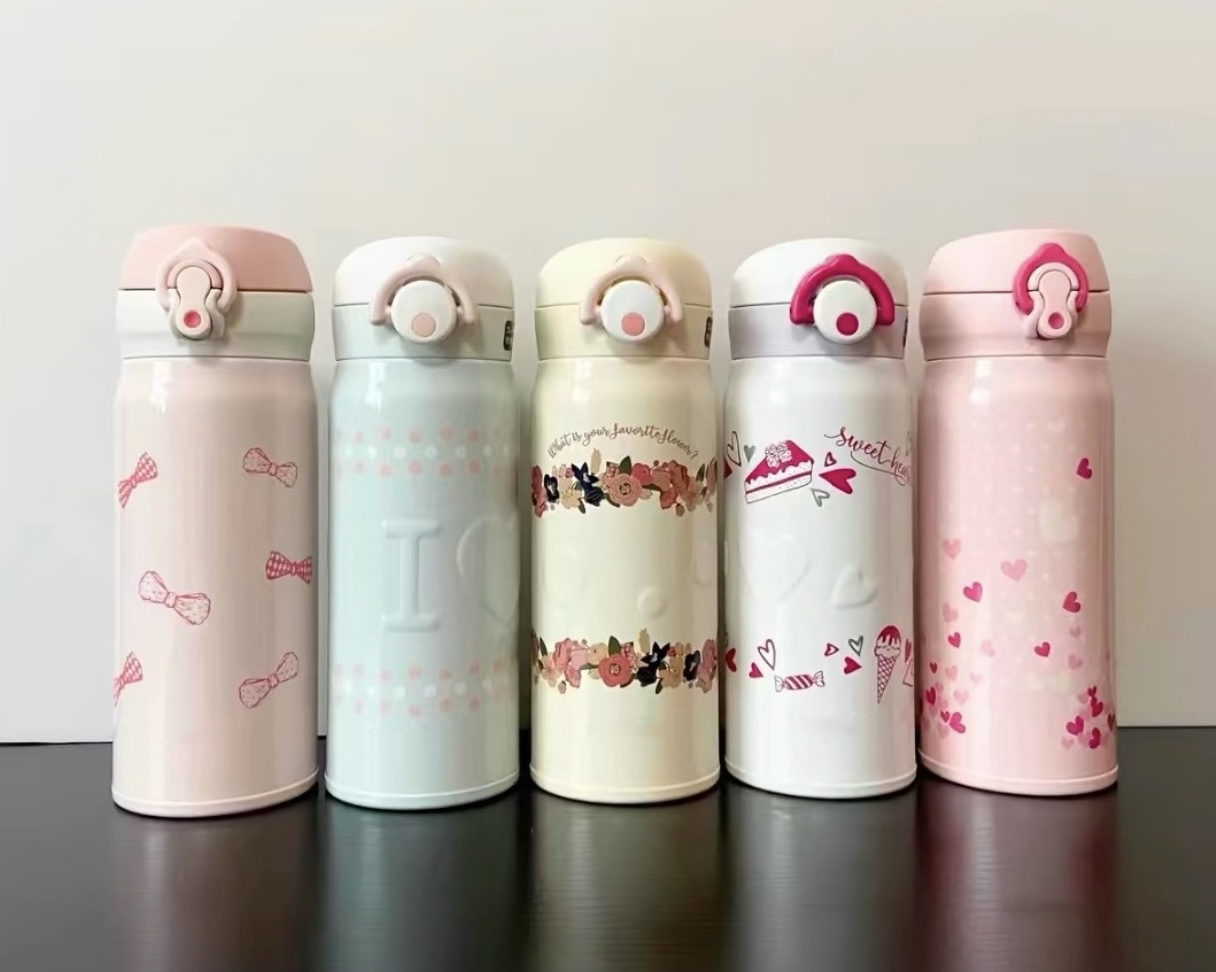
When I started sourcing custom water bottles for my outdoor gear brand, I thought the hard part would be the design. It wasn’t. The design took two weeks. Finding a manufacturer I could actually trust took closer to eighteen months and three failed relationships.
I’m not saying that to scare anyone off. I’m saying it because the mistakes I made were all avoidable, and most of them came from not knowing what questions to ask.
Manufacturer One: The Price Was Great, Everything Else Wasn’t
The first factory I worked with had the lowest per-unit cost of everyone I’d quoted. I should have asked more questions about why.
The samples looked fine. The first order came in mostly okay — a few units with minor coating issues, but nothing I felt I could complain about at that price point. The second order was worse. The lid seal on about 12% of units was inconsistent enough that customers started emailing about leaks. By the third order, I’d had two wholesale accounts ask me not to restock.
When I raised the quality issues, the communication went cold. Response times went from a day to a week. Eventually I was told the factory had changed coating suppliers and the “adjustment period” would take another few months.
I cut ties and absorbed the loss. Looking back, the signs were there early: no quality management certification, vague answers about their production process, and a reluctance to let me speak to anyone beyond the sales contact.
Manufacturer Two: Better Quality, Worse Communication
The second factory was a step up in terms of product. The steel grade was consistently 304, the vacuum insulation actually performed to spec, and the samples were clean. I was cautiously optimistic.
The problem was communication — specifically, the handoff between the sales team and production. Twice I submitted design files with detailed specifications, and twice the pre-production samples came back with errors that should have been caught before they sent anything. Wrong logo placement the first time. Incorrect pantone color match the second. Each round of corrections added three weeks.
For a small brand trying to time product launches around seasons, that kind of delay has real consequences. I eventually moved on not because the product was bad, but because I couldn’t build a reliable production calendar. Unpredictability at that scale isn’t a minor inconvenience — it’s a business risk.
What I Started Looking for in Manufacturer Three
By the time I started searching again, I had a clearer picture of what actually mattered. I made a list before I contacted anyone:
Material certification — I wanted a spec sheet showing 304-grade steel, not a verbal assurance. Food-contact safety certifications (FDA or LFGB) were non-negotiable. Production timeline transparency — I needed a factory that could give me realistic lead times and stick to them, not quote optimistic numbers and then ask for extensions. Direct access to someone in production, not just sales. Sample process with documented approval steps before anything went to full production.
I also started asking a question I hadn’t asked before: “What happens when something goes wrong?” The answer to that question tells you more about a manufacturer than almost anything else. Factories that have a clear process for handling defects and reorders are factories that expect to have a long-term relationship with you. Factories that deflect or get defensive are telling you something important.
Finding the Right Fit
The third factory didn’t have the lowest price. They were about 15% higher per unit than my original supplier. But they sent me a full material certificate without being asked, walked me through their QC process on a video call, and gave me a production timeline that built in buffer for pre-production approval.
I found them through a combination of a sourcing directory and a recommendation from another brand in a completely different product category — someone who’d been working with them for four years and had never had a significant issue. That kind of referral is worth more than any trade show brochure.
After doing my own research into established water bottle manufacturers in the space, I realized the difference between the factories at the top of that list and the ones I’d struggled with earlier wasn’t just quality — it was operational maturity. They’d seen every problem before and had built processes around it.
The Practical Takeaway
If you’re starting from scratch, here’s what I’d tell myself three years ago:
Request the material certificate before you request samples. If they won’t share it, move on. Treat the sample process as a test of communication, not just product quality. How they handle revisions tells you how they’ll handle problems during production. Ask about their quality control process in detail — not “do you have QC” but “walk me through what happens between production and shipping.” Get a timeline in writing with defined milestones, not a single delivery date.
The right manufacturer is out there. The search just takes longer than most people expect, and the shortcuts usually cost more than the time they save.