Why Feller Buncher Saw Teeth Wear Differently Depending on the Timber Species You're Cutting
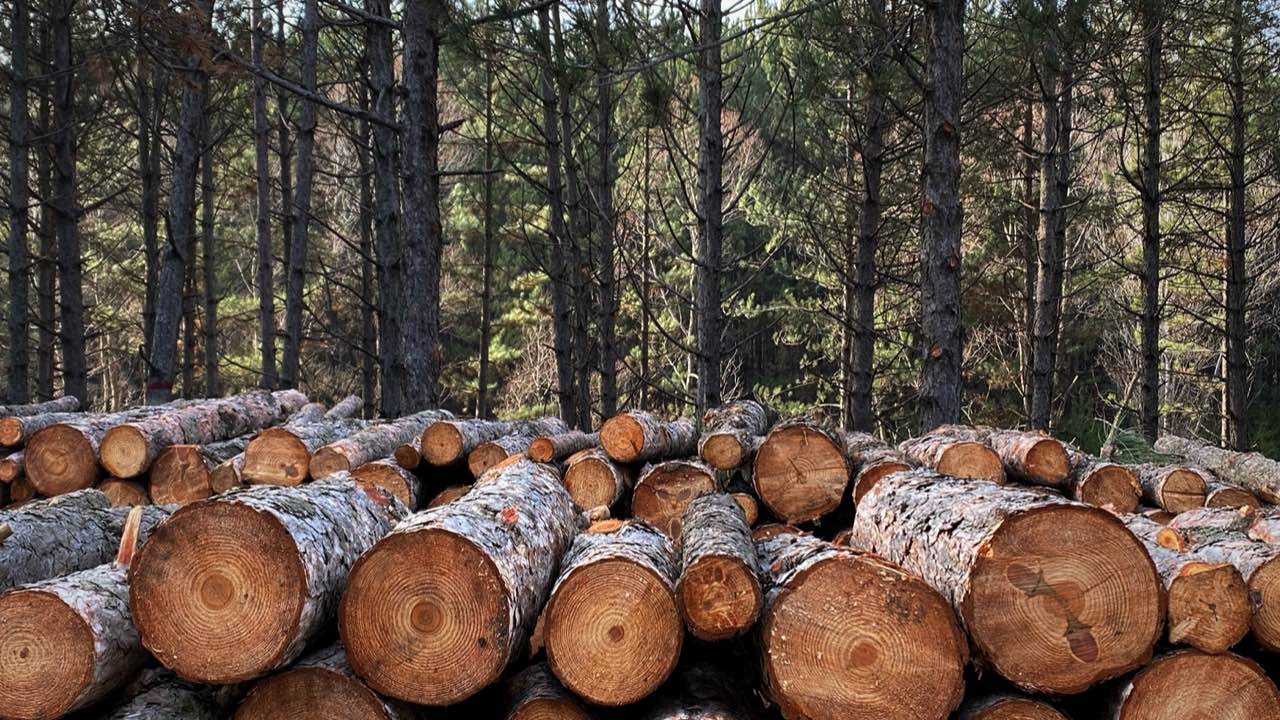
The same set of saw teeth that lasts through a full week of cutting in a mature softwood stand might need replacing after two days in a dense hardwood forest. This isn’t a defect or a supplier quality problem — it’s the direct result of wood properties that differ substantially between species, and those differences translate into different cutting forces, different heat generation, and different wear mechanisms at the tooth contact surface. Understanding these differences helps operators set realistic expectations for tooth life, diagnose performance problems more accurately, and make better decisions about tooth selection for the species they’re actually cutting.
How Wood Properties Affect Tooth Wear
The primary wood properties that drive tooth wear in a feller buncher disc saw are density, hardness, silica content, and moisture content. Each affects the tooth through a different mechanism.
Density and hardness are the most straightforward. Denser, harder wood requires more force to cut, which means more stress at the tooth’s cutting edge and carbide interface with each revolution. High-density hardwoods — oak, hickory, hard maple — generate significantly more cutting force per tooth than lower-density softwoods like pine or spruce. Higher cutting forces accelerate abrasive wear on the carbide face and create higher thermal loads at the cutting edge.
Silica content is less intuitive but highly significant for carbide wear. Some tree species — particularly certain oaks, and species growing in sandy or mineral-rich soils that incorporate silica particles into the wood structure — have elevated silica concentrations that act as a fine abrasive against the carbide tip. Silica wear is different in character from the mechanical wear of cutting hard wood: it produces a fine polishing effect on the carbide surface that rounds the cutting geometry gradually rather than chipping the edge. The result is a tooth that still looks intact but has lost its effective cutting geometry.
Moisture content affects cutting behavior but has a more complex relationship with wear than density or hardness. Green wood with high moisture content is tougher and more ductile than dry wood — it compresses and tears rather than fracturing cleanly. Cutting green wood requires more energy per cut and generates more heat at the tooth tip than cutting dry wood of similar density. However, the moisture also acts as a natural coolant and lubricant, which can partially offset the higher heat generation. Checking or seasoned wood that’s dry and brittle cuts with less force but produces more abrasive chip dust.
Species-Specific Wear Patterns
Different timber species produce characteristic wear patterns on feller buncher saw teeth that reflect their wood properties.
Southern yellow pine is one of the most common softwood species in North American logging operations. It cuts relatively cleanly at high production rates, with moderate tooth wear. The resin content in pine creates a gumming problem in some conditions — resin buildup on the saw disc and teeth that reduces cutting efficiency — but abrasive wear from the wood fiber itself is manageable. Tooth life in clean pine stands is generally the baseline against which other species get compared.
Red and white oak presents a substantially harder and denser material than pine, with higher silica content in some growing regions. Tooth wear rates in oak stands are typically 2-4x higher than in comparable pine operations with the same equipment. The combination of hardness wear and silica abrasion rounds cutting geometry faster, and operators working predominantly oak need replacement schedules calibrated to a significantly shorter change interval than what works for softwood stands.
Eucalyptus is commonly cut in plantation operations in the southern US and internationally. It’s dense, often very wet when green, and produces fibrous chips that pack differently than pine or hardwood chips. The high moisture content of green eucalyptus generates significant heat at the tooth interface, and the density means high cutting forces. Feller buncher saw teeth in eucalyptus operations often show faster wear than in softwood operations of similar stand density.
Mixed hardwood stands — common in Appalachian and northeastern North American logging — present variable conditions within a single operation. Moving from a stand with predominantly maple and beech to one with more birch and poplar changes the cutting conditions considerably. Operators in mixed hardwood operations often find that tooth life varies enough between different sections of a job that a single, fixed change interval doesn’t work — some sections might use teeth up faster because of species mix or soil contamination, while others run longer.
How Soil and Site Conditions Amplify Species Effects
The site where timber grows affects tooth wear independently of the species itself. Trees growing in sandy soils incorporate more silica particles into their bark and root structure, and the first few centimeters of each tree near the ground carry soil contact that deposits grit onto the cut surface. A species that shows moderate wear in good growing conditions can wear teeth significantly faster when the stand is on sandy soil or when the ground is disturbed enough that soil gets onto the tree surfaces before cutting.
Rocky sites create an additional hazard beyond wear: the risk of tooth contact with rock or embedded gravel in root flares. This creates impact damage rather than gradual abrasive wear — carbide chipping or fracture that shortens tooth life suddenly rather than through the predictable wear process. Operators working rocky sites typically reduce disc speed when cutting near the ground to reduce the energy of any potential rock contact.
Wet site conditions — bottomland stands, areas with standing water or saturated soils — affect tooth life through soil contamination on the lower stems and through the moisture content of the wood itself. Wet-site trees are almost always greener than their equivalents on drier sites.
Selecting Teeth for the Species You’re Cutting
The optimal tooth specification for a given operation depends on the wear mechanisms that dominate for the species being cut.
For predominantly abrasive wear — hardwood operations, high-silica species — a finer carbide grain size and higher carbide content provides better abrasion resistance at the cost of some toughness. These specifications hold their cutting geometry longer under abrasive conditions but are more vulnerable to impact damage from rocks or embedded debris.
For operations with contamination risk or variable conditions — mixed species, rocky sites, ground debris — a tougher carbide grade with higher cobalt content provides better resistance to chipping and impact fracture. These teeth may wear faster under pure abrasive conditions but survive contamination events better and provide more consistent service life in variable conditions.
The geometry of the tooth — the cutting angle, the face profile, the relief angle behind the cutting edge — also affects performance in different species. Sharper geometry cuts more efficiently in softer species and reduces heat generation. Blunter, more robust geometry handles harder species and contamination better. The right balance depends on what the machine is doing most of the time.
The most reliable way to optimize tooth selection for a specific species and site combination is to run comparative tests: the same operating conditions, the same operator, different tooth specifications, tracking teeth consumed per ton or per diameter-inch of tree cut. The specification that delivers the lowest cost per unit of production under the actual operating conditions is the right choice for that operation.